
Government & Policy
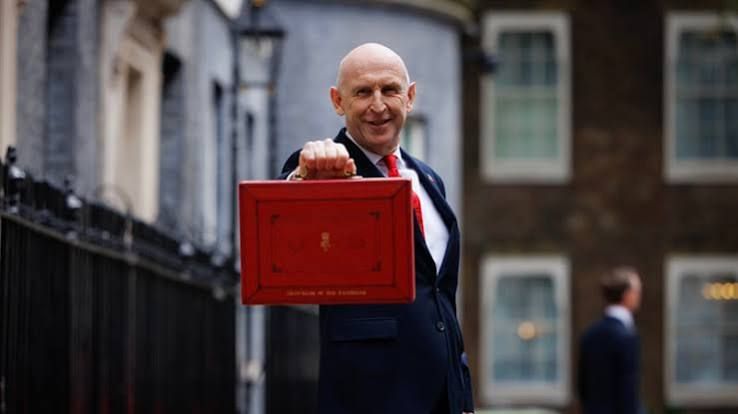
Today has been one of the most anticipated days since the Andy Burnham-led government assumed office. The UK Budget gives citizens, residents, and investors insight into the government's plans. Today, the Chancellor of the Exchequer presented the UK 2026 Budget to Parliament, and here are some policies that affect you.
Cash ISA: The tax-free allowance will remain £20,000, a shift from the £12,000 cut announced by former Chancellor Rachel Reeves, which was supposed to take effect in April 2027.
Energy: A £100 payment will be given to 20 million households in council tax bands A to D. In addition, standing charges, paid by everyone regardless of energy use, will be removed from household gas bills.
An electricity standing charge is a fixed daily fee that you pay to be connected to the UK power grid, regardless of how much electricity you actually use. Even if you go on holiday or turn off every appliance in your home, you will still be charged this set daily amount.
Fuel duty: The fuel duty freeze will be extended until summer 2027, along with the VAT cut on electricity bills. The VAT cut from 5% to 0% is expected to save the average household roughly £45 per year.
Fuel duty is a flat-rate tax levied by the UK government on every litre of fuel purchased for vehicles, heating, and industrial use. The standard fuel duty rate for petrol, diesel, biodiesel, and bioethanol is 52.95p per litre.
Minimum Wage: Both the National Minimum Wage and National Living Wage rise by 3.9%, covering 2.3 million workers. Current rates are £12.71 an hour for those aged 21 and over and £10.85 for 18 to 20-year-olds.
Reform to Skilled Workers Visa: There will be reforms to skilled worker visas, as well as restrictions on non-compete clauses, "so that people who help to build successful companies can move easily on to the next". The full details of how this would work remain to be seen.
New pension tax allowance: John Healey announced a new personal allowance for pensioners to ensure those with income up to the new full state pension would not pay income tax.
Income from property and savings: This will be subject to an extra 2p tax from April 2027, on top of the extra 2p announced last year. This means the rates for basic, higher, and additional rate will be 24 per cent, 44 per cent, and 49 per cent, respectively.
First Home Buyer ISA: Previously announced; will commence in 2029. The product will replace the Lifetime ISA for new savers. It will provide a 25% government bonus of up to £20,000, paid on withdrawal, towards a first home purchase worth up to £450,000. Existing Lifetime ISA holders can continue contributing to and using their accounts under the current rules.
The government will introduce primary and secondary legislation before the products launch in April 2029.
Trading allowance: Increases from £1,000 to £3,000. You can earn up to £3,000 from trading and miscellaneous income without paying tax.
Are there any policies you find surprising? Are there policies you were hoping will be included? Let me know in the comment section.
Share it with someone who might find it useful. For more insights, business strategy, wealth creation, and corporate insights, visit and subscribe to hninsights.com
Members Discussion