You have an idea, a proper business that could genuinely change how something works. You have been building it in your spare time, maybe with a co-founder, maybe alone. You have early customers. A bit of traction. But no real money behind it. You live in Manchester, Leeds, or Newcastle.
We insure our cars, our homes, and even our phones. Yet very few of us insure the one thing that pays for all of those things, our income. If illness or injury stopped you from working tomorrow, how long could you last on your savings before things got difficult? For
You have an idea, a proper business that could genuinely change how something works. You have been building it in your spare time, maybe with a co-founder, maybe alone. You have early customers. A bit of traction. But no real money behind it. You live in Manchester, Leeds, or Newcastle.
We insure our cars, our homes, and even our phones. Yet very few of us insure the one thing that pays for all of those things, our income. If illness or injury stopped you from working tomorrow, how long could you last on your savings before things got difficult? For
You are probably among those people who have never really thought about what happens to your money if a financial institution (be it your bank, building society, or credit union) goes down, because of how stable it has been.
The truth is, this has happened before. In 2008, Northern Rock
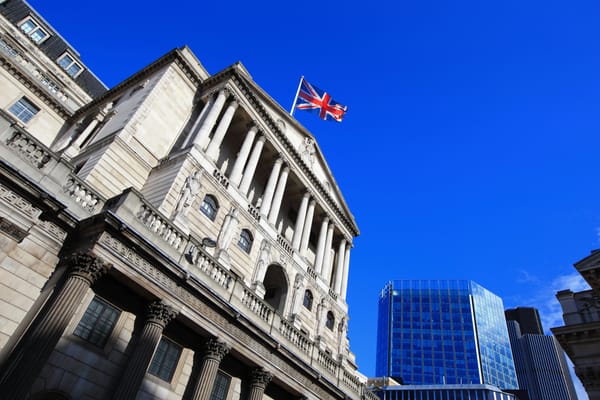
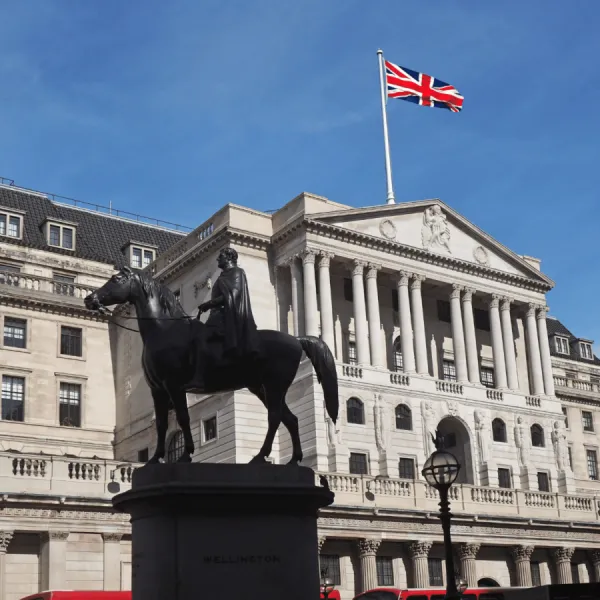
The Bank of England (BoE) has decided to maintain the interest rate at 5.25% despite inflation reaching its target rate of 2%. This decision was made by a 7–2 majority at the Monetary Policy Committee (MPC) meeting that ended on June 19, 2024. Two members of the committee