
Business
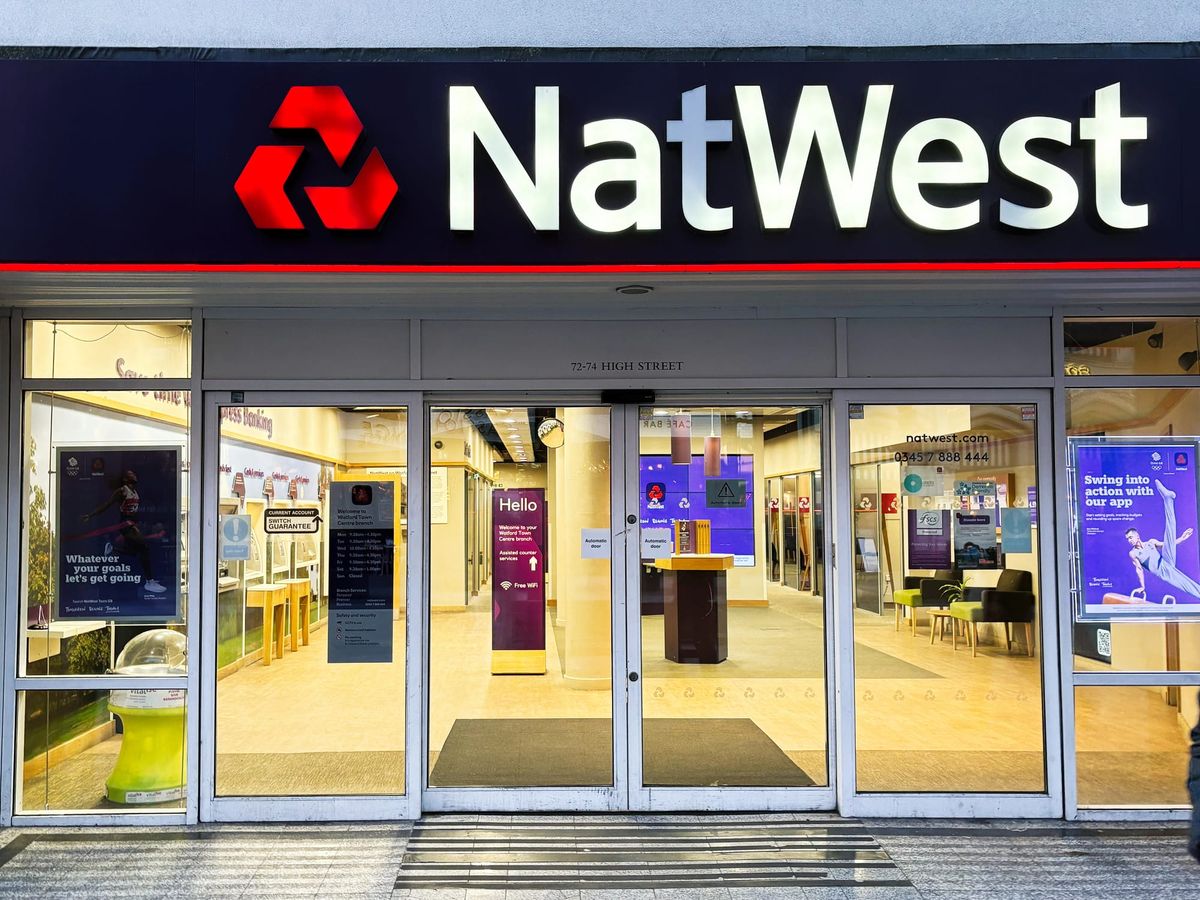
Britain has a long-standing complaint about itself. It is brilliant at starting companies and middling at scaling them. Last week, NatWest stepped into that argument with a new dedicated business, NatWest Venture Banking, aimed squarely at the founders and investors trying to bridge that gap.
The launch matters for three reasons. It signals that one of the country's biggest lenders is willing to commit specialist capital and people to high-growth firms rather than treat them as a sideshow within commercial banking. It fills part of the void left by the collapse of Silicon Valley Bank's UK arm in 2023 and its subsequent absorption into HSBC. And it puts a new option on the table for thousands of equity-backed companies that have outgrown the accelerator but cannot yet command the attention of a private bank relationship director.
What is actually on offer?
NatWest Venture Banking has been built around three pillars. The first is a venture capital coverage team that works directly with funds, providing fund banking and the plumbing that VCs need to manage their portfolios. The second is a regional relationship model with dedicated teams across the UK, not just in London, which matters for founders building outside the capital. The third is a venture and growth finance team, led by Ruari Phillips after his move from HSBC Innovation Banking earlier this year, designed to combine debt and equity-style structures.
That last pillar is the most important detail for working founders. Edwards has described the unit's flexible financing as a way to extend runway, accelerate growth plans, or unlock something new for founders. In plain English, this is venture debt and growth lending sat alongside, not instead of, your equity round, so you raise less dilutive capital between rounds and have more cash to spend on hiring, product, and international expansion.
Who is the target really?
NatWest is candid that the sweet spot is companies moving from pre-Series A through Series A, the awkward middle where founders have graduated from accelerator programmes but are not yet running businesses large enough to command bespoke corporate banking attention. If you are a seed-stage founder running on grants and angel cheques, the bank is still open to you, but the heavier financial firepower is reserved for those a stage or two later.
Sector-wise, the early focus is broad. Artificial intelligence is the obvious headline, given where capital is flowing, but life sciences, health tech, deep tech, fintech, and defence-adjacent technology are all in scope. UK venture funding hit $3.55bn in March, concentrated across a smaller number of deals, which tells you the market is bifurcating into a few large rounds and many companies struggling to close one at all. Venture banking exists for the latter group as much as the former.
The AWS angle
Alongside the launch, NatWest extended its partnership with Amazon Web Services. Clients of the new venture bank gain access to AWS credits, technical support, and the cloud infrastructure that most modern software businesses depend on by default. For an early-stage founder, this is not trivial. Cloud spend is one of the highest fixed costs in a tech business, and credits in the early years can meaningfully extend cash runway, which is the entire point of venture debt to begin with.
What should founders actually do?
The practical takeaway is unglamorous but useful. If you are running an equity-backed company in the UK, your bank can now plausibly do more for you than hold your current account, run your FX, and offer a card. NatWest is signalling that it wants to be in the room when you plan your next fundraise, your first overseas hire, and your move into the United States or Europe.
That said, treat the launch with measured optimism. Three things to bear in mind. First, large incumbents move slowly, and the real test will be how quickly term sheets get issued through 2026 and 2027, not the press release. Second, venture debt is still debt. Covenants, warrants, and minimum liquidity requirements all matter, and a poorly structured facility can constrain a board's options at the worst possible moment. Third, the relationship-led model only works if the relationship is real, so meet the team, ask for references from existing clients, and judge by what gets delivered.
The wider picture
For the UK economy, the launch is a vote of confidence in a part of the market that has felt underserved for almost three years. Chancellor Rachel Reeves used the launch to repeat her ambition for Britain to be the best place to start, scale, list, and stay. Whether this materially shifts the dial on scale-up retention is a question for several years from now, when the cohort backed by NatWest Venture Banking either lists in London, gets acquired by a US trade buyer, or reaches the global scale that Edwards talks about.
For founders today, the opportunity is concrete. There is one more well-resourced lender in the market who wants your business, who will take the meeting, and who is willing to put debt alongside your equity story. That is worth a conversation, even if you eventually walk away.
Members Discussion